

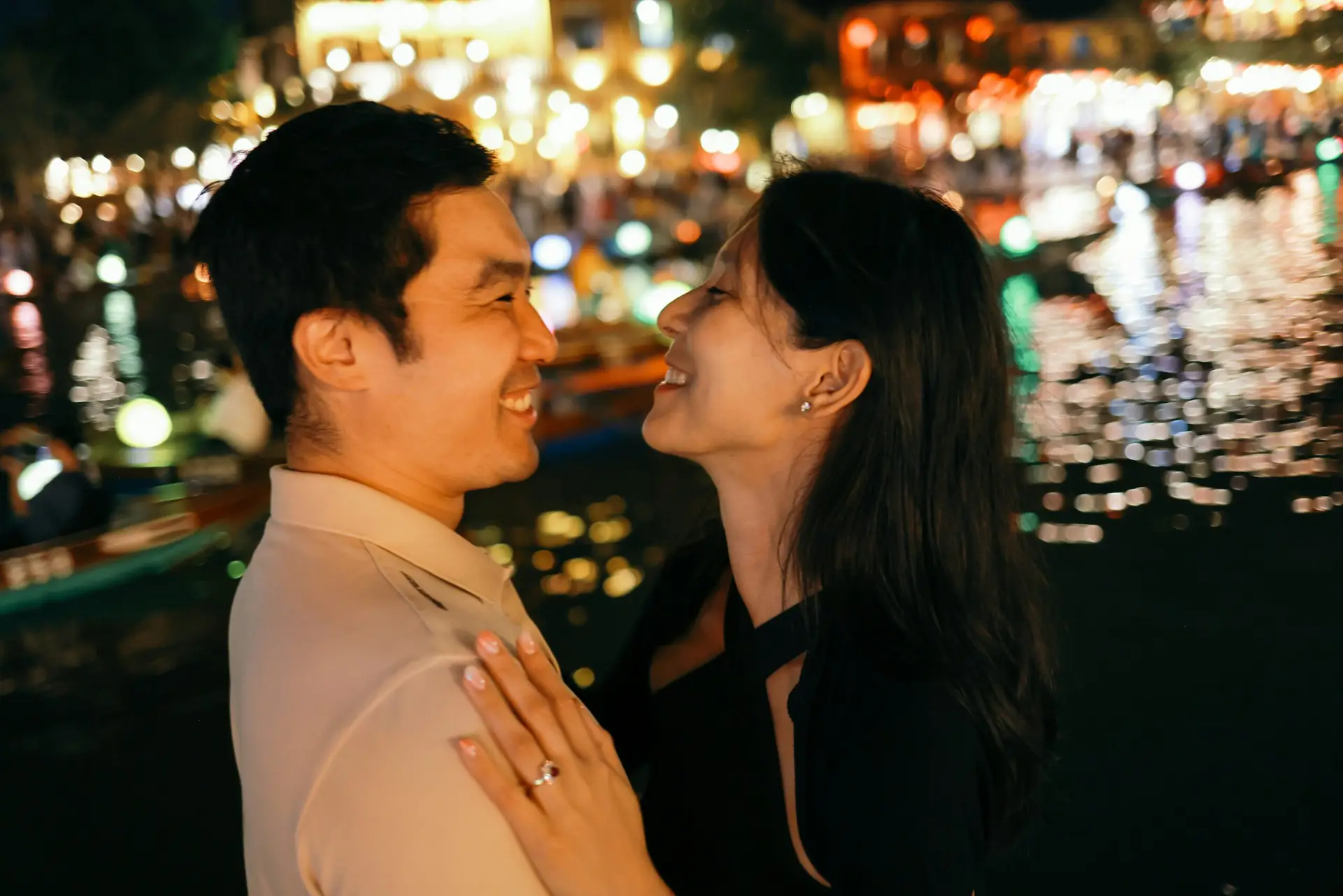

Vietnam is one of those rare destinations that seems to have everything — ancient temples, emerald bays, vibrant street food, bustling cities, and stretches of coastline that rival anywhere in the world. Whether you’re a first-time visitor or a returning traveler looking to go deeper, this guide covers everything you need to plan an unforgettable trip.
Why Visit Vietnam?
Vietnam has quietly become one of Southeast Asia’s most compelling travel destinations. It’s affordable, incredibly diverse, and genuinely welcoming to visitors. From the lantern-lit streets of Hoi An to the limestone karsts of Ha Long Bay, the country packs an extraordinary range of experiences into a relatively compact geography. Best of all, it’s accessible — with improved visa policies, direct international flights, and a well-developed tourism infrastructure, getting there and getting around has never been easier.
Best Time to Visit Vietnam
Vietnam’s climate varies significantly by region, so the best time to visit depends on where you’re headed. As a general rule, November through April is considered the optimal travel window — the dry season across most of the country, with comfortable temperatures and lower humidity. December to April is peak season for southern Vietnam and the central coast, while spring (March to May) is ideal for the north before the summer rains arrive. If you’re flexible, shoulder season trips in October or early November offer fewer crowds and lower prices.
Visa Requirements
Vietnam has significantly relaxed its visa policies in recent years. Citizens of many countries — including the US, UK, Australia, and most of Europe — can apply for an e-visa online, valid for up to 90 days with multiple entries. The e-visa fee is $25 for single entry and $50 for multiple entry, processed through the official Vietnam Immigration Department website. Some nationalities qualify for visa-free entry for stays up to 45 days. Always verify the latest requirements before your trip as policies can change.
Top Destinations in Vietnam
Hanoi
Vietnam’s capital is a city of contrasts — ancient pagodas alongside French colonial architecture, street food vendors beside trendy coffee shops, and motorbikes everywhere. Spend at least two days exploring the Old Quarter, visiting Hoan Kiem Lake, and catching a Water Puppet Show. Hanoi also serves as the ideal base for day trips and multi-day excursions to Ha Long Bay and Ninh Binh.
Ha Long Bay
No Vietnam itinerary is complete without Ha Long Bay. A UNESCO World Heritage Site, the bay features over 1,600 limestone islands and islets rising from emerald waters in the Gulf of Tonkin. The best way to experience it is on an overnight or multi-day cruise — you’ll visit floating fishing villages, explore sea caves, kayak through hidden lagoons, and wake up to one of the most dramatic seascapes on earth. Budget cruises start around $50 per person; mid-range and luxury options offer significantly better boats and experiences.
Hoi An
Hoi An is arguably Vietnam’s most photogenic town. The UNESCO-listed Ancient Town is a remarkably preserved maze of yellow-washed merchant houses, covered bridges, and tailor shops dating back to the 15th century. In the evenings, hundreds of silk lanterns illuminate the waterfront in a warm, dreamlike glow. Don’t miss the monthly Full Moon Lantern Festival, a cooking class using locally caught ingredients, or a bicycle ride through the surrounding rice paddies.
Ho Chi Minh City (Saigon)
Vietnam’s largest city is a 24-hour metropolis of energy and ambition. The Reunification Palace, War Remnants Museum, and Cu Chi Tunnels offer sobering but essential historical context. Beyond the history, HCMC is a world-class food city — from street-side pho stalls to rooftop cocktail bars. The Mekong Delta, just a few hours south, makes for an excellent day trip through floating markets and river villages.
Sapa
For those seeking mountain scenery and cultural immersion, Sapa in northern Vietnam delivers both in abundance. The terraced rice fields cascading down the Muong Hoa Valley are among the most stunning landscapes in all of Southeast Asia. Trek through villages of the Hmong and Red Dao ethnic minority communities, where traditional dress and customs remain very much alive. The best trekking season is September to November when the rice is golden before harvest.
Hue
Vietnam’s former imperial capital sits along the Perfume River and is packed with history. The Imperial Citadel, royal tombs, and Thien Mu Pagoda make it one of the country’s richest cultural destinations. 2025 and 2026 are particularly good years to visit as major restoration projects at several royal sites have recently been completed, and cultural festivals are being held throughout the year.
Getting Around Vietnam
Vietnam is a long, narrow country and getting from north to south requires some planning. The most popular options are domestic flights (fast and affordable — budget around $30-80 one way), overnight sleeper trains (atmospheric and comfortable for medium distances), and open bus tickets (the classic backpacker option for flexible north-south travel). Within cities, grab-hailing apps like Grab are reliable, safe, and affordable. For exploring the countryside, motorbike rentals are popular but require caution — traffic in Vietnam is chaotic by Western standards.
What to Eat in Vietnam
Vietnamese cuisine is one of the great culinary traditions of the world — fresh, balanced, and remarkably regional. Don’t leave without trying pho (beef noodle soup, best in Hanoi), banh mi (the legendary Vietnamese baguette sandwich), fresh spring rolls, cao lau (a Hoi An specialty you can only get authentically in Hoi An), and bun bo Hue (spicy beef noodle soup from Hue). Street food is generally safe and often the best food you’ll eat — look for busy stalls with high turnover.
Budget Guide
Vietnam is one of the most affordable destinations in Asia. Budget travelers can get by comfortably on $30-50 per day including accommodation, food, and local transport. Mid-range travelers spending $70-120 per day will enjoy comfortable hotels, restaurant meals, and guided tours. Luxury options — including some world-class beach resorts and boutique heritage hotels — are available at a fraction of what they’d cost in Europe or North America.
Practical Tips
- Currency: Vietnamese Dong (VND). As of 2026, approximately 25,000 VND to 1 USD. ATMs are widely available in cities; carry cash in rural areas.
- SIM card: Buy a local SIM at the airport for as little as $5 — Viettel has the best coverage nationwide.
- Dress code: Casual is fine everywhere except religious sites, where you should cover shoulders and knees.
- Tipping: Not mandatory but appreciated, especially for tour guides and drivers.
- Safety: Vietnam is generally very safe for tourists. The main concerns are traffic (be very careful crossing streets) and petty theft in busy tourist areas.
- Bargaining: Expected at markets, not at restaurants or fixed-price shops.
Ready to Book Your Vietnam Trip?
Vietnam rewards travelers who take the time to plan well — and the right hotels and tours can make the difference between a good trip and an extraordinary one. Browse our curated selection of hotels and tours in Vietnam to find the options that match your style and budget.